Out.Back.Care for the whole route. — Dr. Farzad Moazeni
Specialist in Cardiovascular Diseases and Varicose Vein Treatment Tabriz
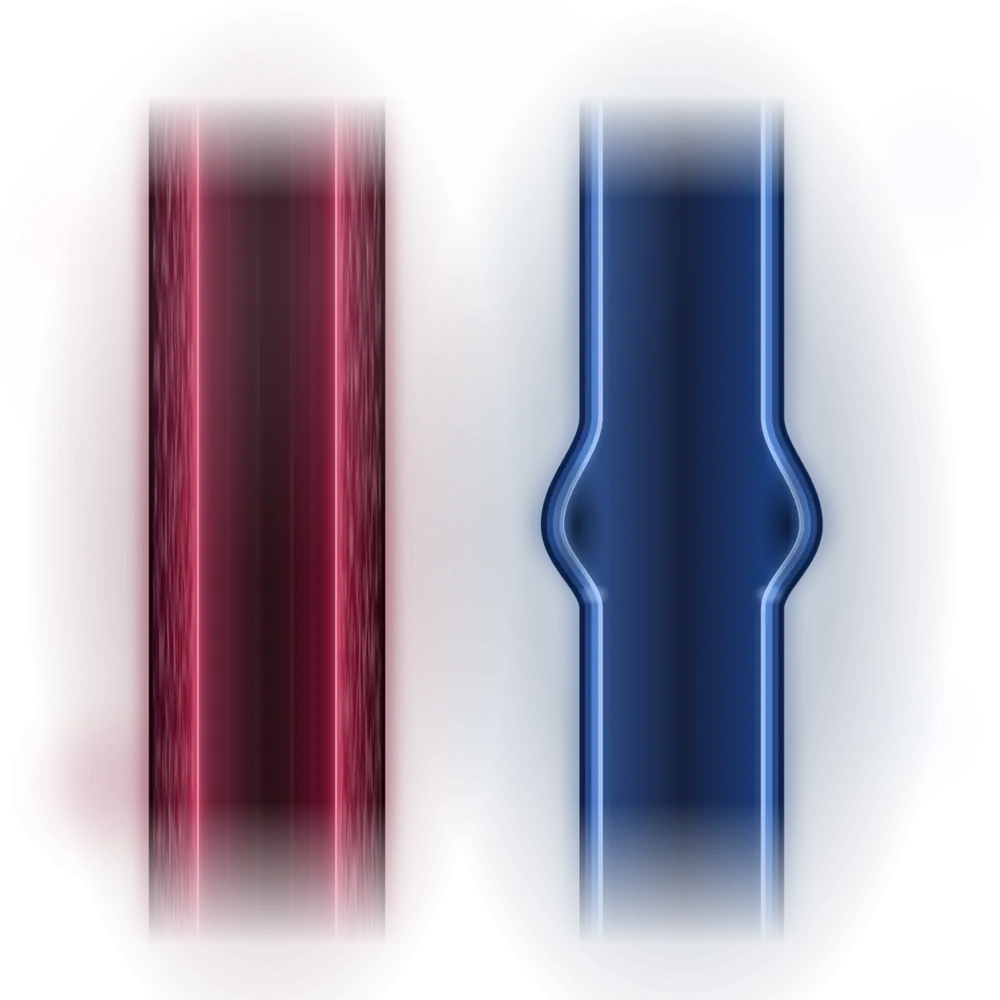
The heart and the blood vessels are one route. From heavy legs to chest pain, care starts with your story.
The heart and the blood vessels are one route.
Dr. Farzad Moazeni is a specialist in cardiovascular diseases and varicose vein treatment in Tabriz. The blood the heart sends to the legs through the arteries comes back through the veins, so a circulation problem can show up in the leg or in the chest: a bulging vein, swelling and heaviness on one side, chest pain, palpitations or high blood pressure on the other. This site helps you work out which route your symptom belongs to, which signs are a warning, and what to bring to the first visit.
More about the doctorFrom a bulging vein in the leg to chest pain, in plain language.
Every symptom has its own cause and course. These pages explain what the problem is, how it is investigated and how treatment generally works. Your diagnosis and treatment plan are decided by the doctor after an examination.
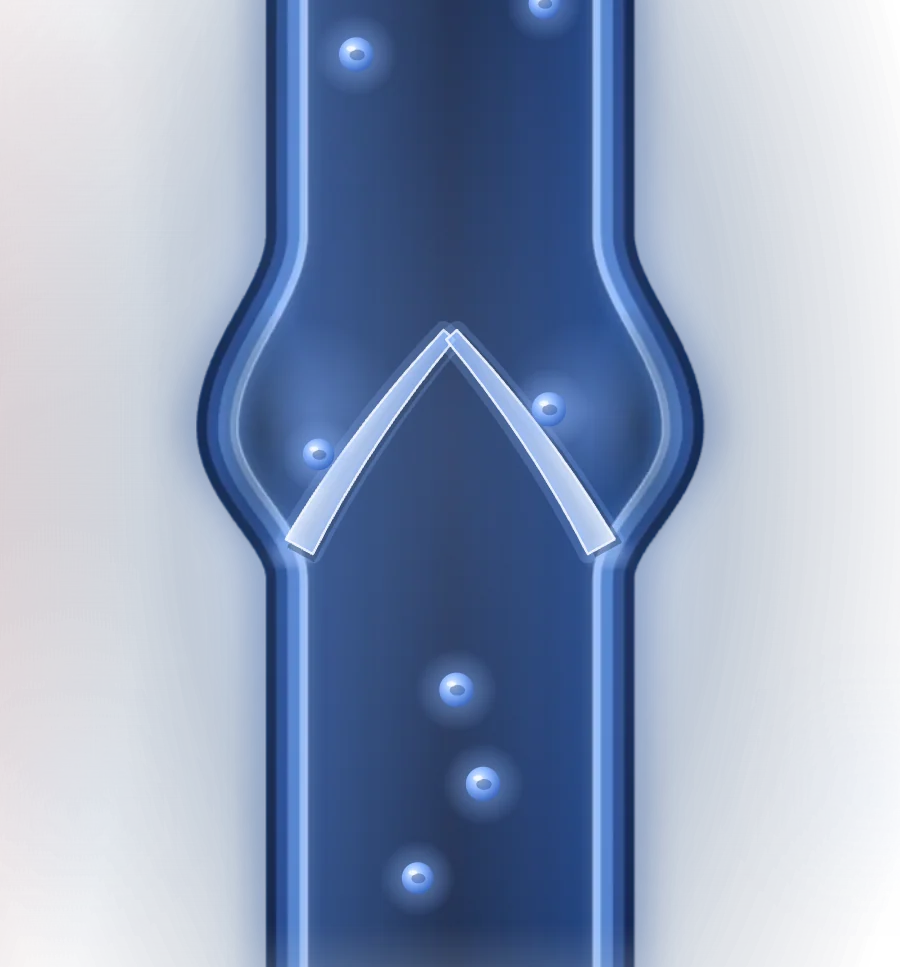
Varicose veins and spider veins of the legs
Varicose veins are swollen, twisted veins under the skin, usually in the legs. Most do not cause serious problems and not all need a procedure, but some symptoms need assessment. This page describes the cause, examination, the usual treatment options and the warning signs.
Read moreLeg swelling and pain: venous insufficiency and deep vein thrombosis
Leg swelling has several causes: vein valves, clots, the heart, the kidneys and medicines. Swelling of both legs is very different from sudden, painful swelling in one leg. This page describes the causes, assessment, treatment and the signs that are urgent.
Read moreChest pain and coronary artery disease
Some chest pain does not come from the heart, but some needs emergency help. This page explains the difference between sudden, lasting pain and pain that comes with effort and eases with rest, and describes the usual assessment and treatment of angina.
Read moreHigh blood pressure
High blood pressure usually has no symptoms and is found only by measuring it. This page explains what the numbers mean, why office and home readings differ, what lifestyle and medicines do, and which signs are urgent.
Read morePalpitations and heart failure
Palpitations are usually not dangerous, but they should be assessed if they keep coming back or come with other symptoms. Heart failure means the heart does not pump blood well enough, not that it has stopped working. This page describes the symptoms, assessment, usual treatments and urgent signs of both.
Read more
From your story to follow-up
Each symptom is understood first, and a plan is written after that. Not every varicose vein needs a procedure. At each step you know what comes next.
- Step 1 of 5.
Your story first
You are asked when the symptoms started, where they are, and what makes them better or worse. Bring your medicines and earlier test results.
- Step 2 of 5.
Examining the heart and the legs
The heart, the blood pressure and the leg veins are looked at together, because some symptoms, such as a swollen leg, can come from the heart or from a vein.
- Step 3 of 5.
Tests, when they are needed
If needed, a heart tracing or a Doppler ultrasound of the legs is requested. Not every patient needs every test.
- Step 4 of 5.
The treatment plan
Once the results are in, the options are explained and the plan is written together. Some varicose veins need only care and follow-up.
- Step 5 of 5.
Follow-up
The plan is reviewed at later visits and changed if a new symptom appears. Know the warning signs, and do not wait for an appointment when you see them.
You are not alone on this path.
Treating a heart or vein problem is more than visits. Imaging, tests, medicines, rehabilitation and follow-up are all part of it. The support team coordinates these so that you and your family spend less time chasing them.
Imaging and ultrasound
CT angiography, cardiac nuclear scan and ultrasound with quick appointments, second reads of images, and reports sent directly to the treating doctor.
Lab tests and blood sampling at home
The support team arranges the appointment, the sampling and the follow-up of test results.
Pharmacy and specialty medicines
Help getting specialty medicines, with quick delivery for Tabriz residents.
Fast referral to specialists and sub-specialists
If you need another doctor, the support team books the appointment and refers you.
Rehabilitation and wellbeing
The support team books appointments and refers you to rehabilitation and health specialists.
Treatment and rehabilitation at home
When getting out is hard, part of treatment and rehabilitation comes to you.
Services marked "Free" on the support form are provided at no cost.
What is worrying you?
Tap what you are facing to reach the matching page. This list is not a diagnosis; it only points you to the right page.
- A bulging vein in the leg
- Heavy legs at the end of the day
- Spider veins on the legs
- Swollen ankles
- One swollen leg
- Leg cramps at night
- Chest pain
- High blood pressure
- Palpitations
- Breathlessness on exertion
New chest pain or pressure, sudden breathlessness, fainting, signs of a stroke (a drooping face, weakness on one side, sudden trouble speaking), or sudden swelling and pain in one leg together with breathlessness, cannot wait for an appointment. In an emergency, call 115 (Iran's emergency number), or your local emergency number outside Iran. When should I call urgently?
Simple answers to the first questions.
Are varicose veins dangerous?
Most of the time there is no immediate danger, and the main problems are heaviness, swelling and appearance. Sometimes they cause complications: the skin of the lower leg turns dark and hard, an ulcer forms, or a surface vein becomes inflamed and painful. Any of these means you should be examined sooner. Bleeding from a varicose vein is urgent and is covered in the patient guide. Sudden swelling and pain in one leg only is a different matter, covered in the answer to "What is a clot?".
Are varicose veins only a cosmetic matter?
Tiny blue and red spider veins are mostly a cosmetic matter. But a bulging vein with heaviness, burning, swelling or night cramps may come from venous insufficiency. An examination and, if needed, a Doppler ultrasound show the difference.
Can they get better without an operation?
Not every varicose vein needs an operation. Some can be kept under control with daily care, movement and, when needed, special stockings. What you need is clear after an examination and a look at how the blood flows.
Do varicose veins come back after treatment?
The tendency lies in the person (family history, pregnancy, long hours on the feet). Even when one vein is treated, other veins may be affected in the years that follow, and no method can promise that this will not happen. That is why care and follow-up after treatment are part of the path.
Are compression stockings useful?
Stockings press evenly on the calf, which helps blood move up more easily and eases swelling and heaviness. But the size and the amount of pressure differ from person to person, and in some conditions, such as severe narrowing of the leg arteries, they are not suitable. Ask your doctor before you buy.
Is my leg swelling from the heart or the veins?
It can be either, and there are other causes too. Swelling that builds up by evening and eases when the leg is raised points more to the veins. If it comes with breathlessness, tiring easily or swelling in both legs, the heart has to be checked as well. The answer comes from an examination, not a guess.
What is a clot?
It means blood has clotted in one of the deep veins of the leg. It shows up as swelling and pain in one leg and sometimes redness and warmth. The danger is that a piece of the clot travels to the lungs. Sudden breathlessness or chest pain together with leg swelling means calling 115, not waiting for an appointment. Sudden swelling and pain in one leg should be seen the same day.
Is this pain from the heart?
Pain alone cannot tell. Heart pain is most often pressure or heaviness behind the breastbone that gets worse with effort, eases with rest and may spread to the arm, neck or jaw. It is not always like that, especially in women and in people with diabetes. New or severe pain, or pain with breathlessness, cold sweat or fainting, cannot wait for an appointment: call 115.
When should I go urgently?
New chest pain or pressure, sudden breathlessness, fainting, signs of a stroke (a drooping face, weakness on one side, sudden trouble speaking), and sudden swelling and pain in one leg together with breathlessness cannot wait for an appointment. Call 115. The full list is in the patient guide.
Do I have to take blood pressure medicine for life?
High blood pressure usually needs long follow-up, and some people need medicine for a long time, but the doctor decides this from several measurements and from your overall situation. Do not stop your medicine or change the amount yourself. If you have side effects, tell your doctor so the plan can be changed.
What should I bring to the first visit?
Earlier ECGs, echo reports, ultrasounds and test results, a list of the medicines you take (the name or a photo of the box), your home blood pressure notes if you have them, and, if your leg swells, a photo of it at the end of the day. If something is missing, come anyway.
Which varicose vein treatments are done at this office?
The treatments for varicose veins (stockings, sclerotherapy, laser and radiofrequency, surgery) are explained in general terms on the varicose veins page. Which of them are done at this office will be announced after the doctor confirms.
Do you work with insurance?
The list of insurers will be announced soon.
These answers are general and do not replace your doctor's advice for your situation.
Talk through your concern with a specialist.
Go to the booking page or talk to support. If you have a warning sign, do not wait for an appointment.
Support number