Conditions and care
Varicose veins and spider veins, leg swelling and clots, chest pain, high blood pressure, palpitations and heart failure, each explained in plain language.
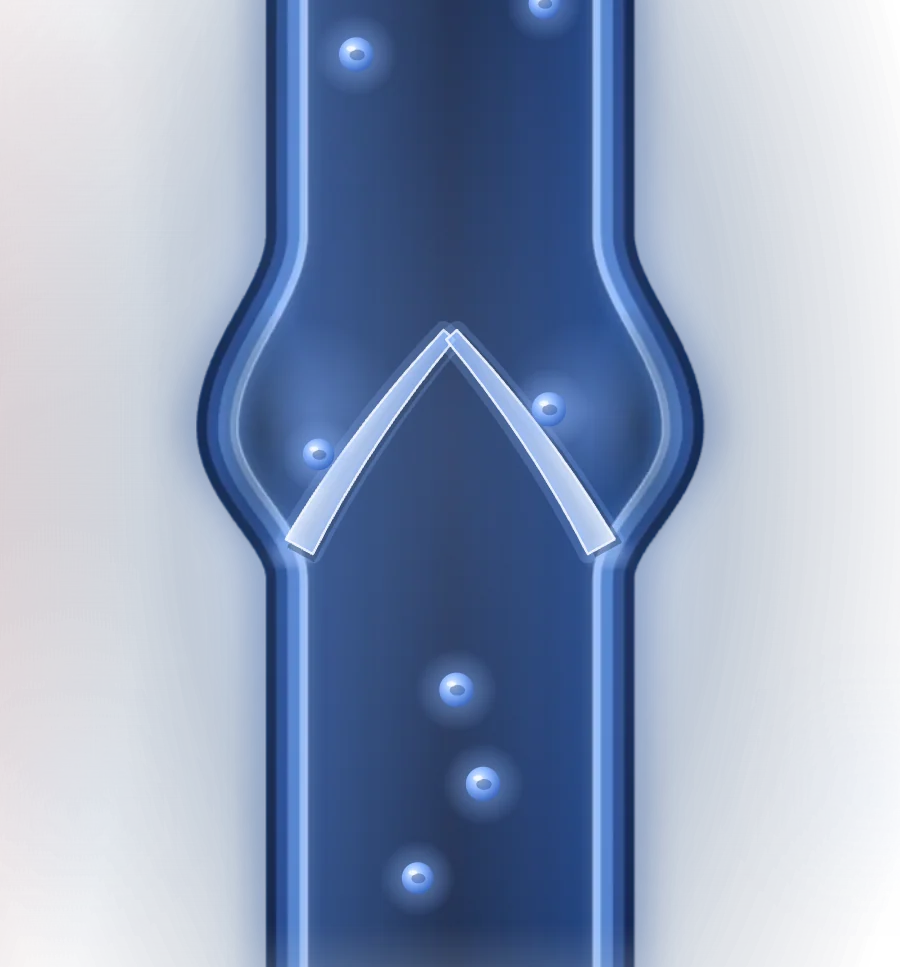
Varicose veins and spider veins of the legs
Varicose veins are swollen, twisted veins under the skin, usually in the legs. Most do not cause serious problems and not all need a procedure, but some symptoms need assessment. This page describes the cause, examination, the usual treatment options and the warning signs.
Read moreLeg swelling and pain: venous insufficiency and deep vein thrombosis
Leg swelling has several causes: vein valves, clots, the heart, the kidneys and medicines. Swelling of both legs is very different from sudden, painful swelling in one leg. This page describes the causes, assessment, treatment and the signs that are urgent.
Read moreChest pain and coronary artery disease
Some chest pain does not come from the heart, but some needs emergency help. This page explains the difference between sudden, lasting pain and pain that comes with effort and eases with rest, and describes the usual assessment and treatment of angina.
Read moreHigh blood pressure
High blood pressure usually has no symptoms and is found only by measuring it. This page explains what the numbers mean, why office and home readings differ, what lifestyle and medicines do, and which signs are urgent.
Read morePalpitations and heart failure
Palpitations are usually not dangerous, but they should be assessed if they keep coming back or come with other symptoms. Heart failure means the heart does not pump blood well enough, not that it has stopped working. This page describes the symptoms, assessment, usual treatments and urgent signs of both.
Read more
The full patient guide
What to prepare for the first visit, how to measure blood pressure at home and when to call urgently.